Apr 23, 2015
Langeland, April 18, 2015
Danish burial mound from the Neolithic period. Gravhøj fra yngre stenalder
Last glimpse of the white-tailed eagle in her nest before the beech pops out. Sidste gang vi ser havørnen på reden før bøgen springer ud
Traenekjaer Castle
At Aasoe
A walk along the coast
A nice old house at the coast
Mar 8, 2015
Fuglsbølle, Langeland, March 5, 2015
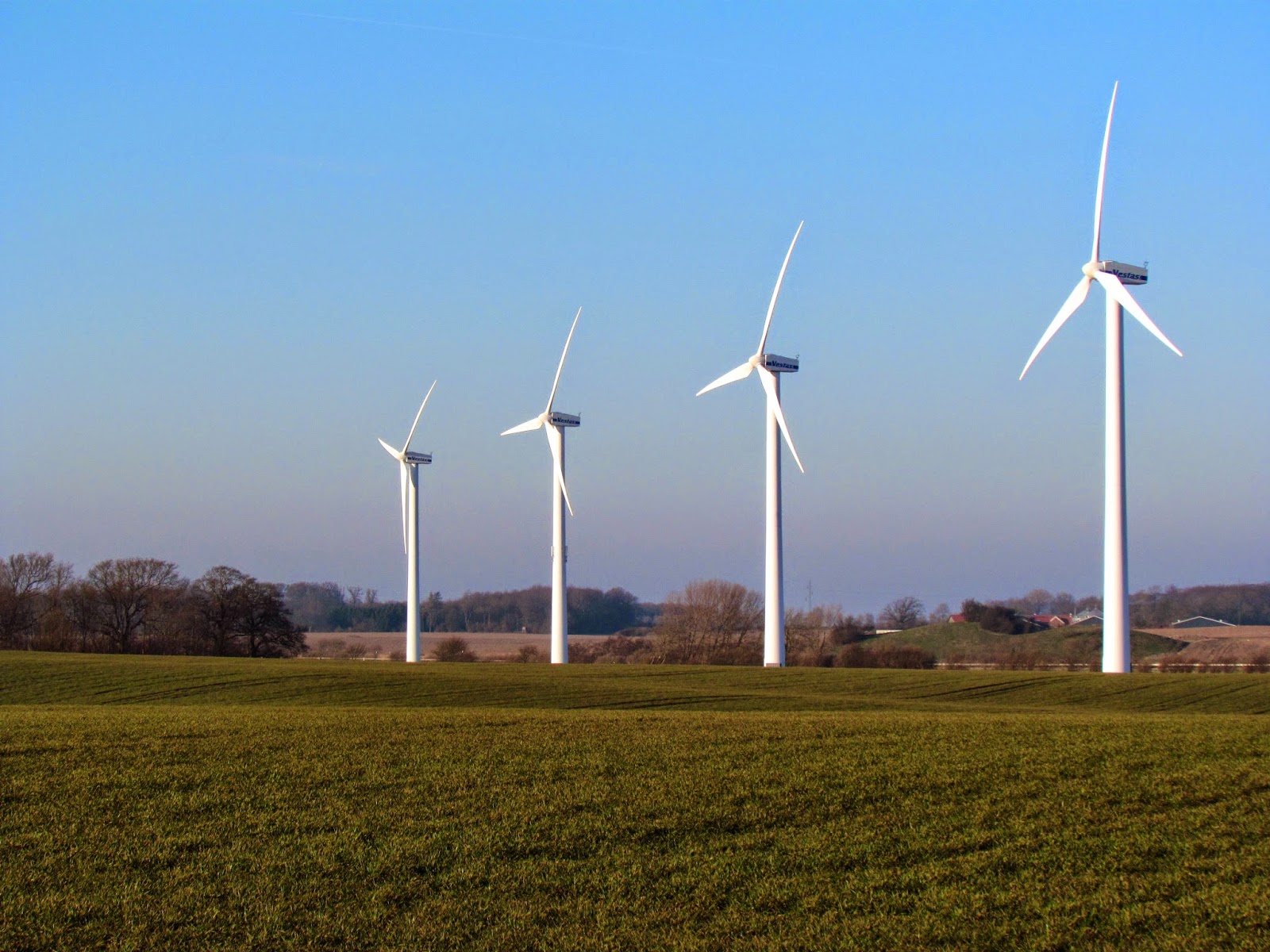
Langeland exports removable energy from its many windmills
Eurasian oystercatcher (Haematopus ostralegus); Strandskade
The common eider, edderfugl
Fuglsbølle beach
The European roe deer, Rådyr (latin: Capreolus capreolus)
Langeland exports removable energy from its many windmills
Mar 6, 2015
Pärnu, Estonia, March 5, 2015
Pärnu is a city in southwestern Estonia on the coast of Pärnu Bay, an inlet of the Gulf of Livonia in the Baltic Sea. It has a population of 42000. It is a popular summer vacation resort with many hotels, restaurants, and large beaches.
We had our meeting in the newly build an very comfortable wellness hotel: Hedon SPA.
After many hours of serious technical discussions there were time for a short walk in before it got dark.
A photographer took advantage of the nice sunshine for some winter pictures
Pärnu is a popular summer vacation resort with many hotels, restaurants, and large beaches.
There are many old wooden houses in Pärnu
Mar 2, 2015
The renovated Oersteds Pavilion, Langeland, March 1, 2015
The Ørsted pavilion (OEP) has an important role in the history of Langeland. It was built in 1908 and has for many years been the place where the inhabitants of Langeland (Long Islanders) gathered to celebrate and enjoy themselves. In 1911 a theater hall was added to the OEP.
All Long Islanders over a certain age know OEP and they love the old buildings. Here they danced, they had their first kiss and the here they got drunk for the first time (and maybe several times thereafter). The author Jørgen Minor starts his CV by mentioning that he was conceived on New Year's Eve 1938 the New Year's ball in the Ørsted pavilion, but unfortunately he does not go into any detail (either he can’t remember or he is too discreet).
OEP have hosted the great events of generations of Long Islanders life: Baptism, Confirmation, wedding, birthdays, anniversaries etc.
Throughout the lifetime of OEP professional and amateur artists played music and theater in the theater hall.
Countless artists, professional and amateur, have performed on scene of OEP, actors, musicians, singers, dancers. OEP was Langeland rock and roll place in the years 1966 to 1968 (http://www.rockensdanmarkskort.dk/steder/ørstedspavillonen).
But when television came it started the decline of OEP. Long Islanders preferred to sit in front of the TV, and did not bother going out anymore when they could get entertainment, served together with the evening coffee in their sofa.
The number of events declined and economy ailing.
The Ørsted Pavilion Association (http://www.oerstedspavillonen.dk/) bought the OEP building in 2012. The association was founded in November 2010, with the intention of buying Ørsted pavilion to reestablish it as a cultural powerhouse of Langeland, and the entire South Funen. The intention is that OEP will again spurt of life. The Association has broad popular support and has hundreds of members. The acquisition of the property was the first step, and thanks to a series of donations, especially AP Møller Foundation's grant of 1.3 million Euro, and lots of volunteer work, the Association could inaugurate the newly renovated OEP March 1 2015. Now it is open to all organizations and individuals who need a nice place to meet for special event.
The name “Ørsted” originates from Langelands famous brothers, , who grew up in the Rudkøbing Pharmacy at the end of the 18th century, and played a major in Denmark role as administrators and scientists (HC Ørsted discovered that electric currents create magnetic fields).
Ørstedspavillonen (ØP) blev bygget i 1908 og har siden været langelændernes samlingssted. I 1911 kom teatersalen bag ØP til.
Alle langelændere over en vis alder kender ØP, og de fleste elsker de gamle bygninger. Her dansede de, fik de deres første kys og nattens sidste bajer. Forfatteren Jørgen Minor starter sit CV med at nævne at han blev undfanget nytårsaften 1938 under Borgerforeningens bal i Ørstedspavillonen, men han går desværre ikke i detailler (enten kan han ikke huske dem eller også er han for diskret beskrive dem).
ØP har lagt hus til de store begivenheder i generationer af langelænderes liv: Barnedåb, konfirmation, bryllup, runde fødselsdage, jubilæer.
I teatersalen har kunstnere og amatører til alle tider spillet musik og teater.
Utallige kunstnere, professionelle og amatører, har stået på ØPs scene, skuespillere, musikere, sangere, dansere. Ørstedspavillonen var Langelands helt store pigtrådstempel i årene 1966 til 1968 (http://www.rockensdanmarkskort.dk/steder/ørstedspavillonen).
Men da fjernsynet kom, begyndte det at gå tilbage for ØP. Langelænderne gad ikke gå i byen længere, når de kunne få underholdningen, serveret sammen med aftenkaffen i sofaen.
Selv om der var nogle opblomstringsperioder, blev arrangementerne færre og færre og økonomien skrantede.
Foreningen Ørstedspavillonen (http://www.oerstedspavillonen.dk/) købte ejendommen i 2012. Foreningen blev stiftet i november 2010, med den hensigt at købe Ørstedspavillonen for at gøre den til et kulturelt kraftcenter på Langeland, ja, på hele Sydfyn. Stedet skal igen sprudle af liv og lyst. Foreningen har bred folkelig opbakning. Købet af ejendommen var første skridt på vejen, og takket være en række donationer, ikke mindst A.P. Møller Fondens bevilling på 10 millioner kroner, samt masser af frivilliges arbejde, kunne foreningen indvie den ny renoverede ØP den 1. marts Her er åbent for alle, foreninger og private, som har brug for et rart sted at mødes til hverdag og fest.
Navnet ”Ørsted” kommer naturligvis efter to brødre, den ene mere markant end den anden, som voksede op på Rudkøbing Apotek, og spillede en stor rolle som administratorer og videnskabsmænd (HC Ørsted beskrev som den første elektromagnetismen).
OEP is right next to Ørstedsparken
The name “Ørsted” originates from Langelands famous brothers, , who grew up in the Rudkøbing Pharmacy at the end of the 18th century, and played a major in Denmark role as administrators and scientists (HC Ørsted discovered that electric currents create magnetic fields).
ØP ligger lige op til Ørstedsparken
Navnet ”Ørsted” kommer naturligvis efter to brødre, den ene mere markant end den anden, som voksede op på Rudkøbing Apotek, og spillede en stor rolle som administratorer og videnskabsmænd (HC Ørsted beskrev som den første elektromagnetismen)
The OEP in the rock and roll period
Således så ØP ud i pigtrådsperioden
The glass foyer is the most significant change (addition) to the OEP during the renovation
The Ørsted pavilion (OEP) has an important role in the history of Langeland. It was built in 1908 and has for many years been the place where the inhabitants of Langeland (Long Islanders) gathered to celebrate and enjoy themselves. In 1911 a theater hall was added to the OEP.
Glasfoyen er det mest markante ændring af (tilbygning til) ØP i forbindelse med renoveringen.
ØP har lagt hus til de store begivenheder i generationer af langelænderes liv: Barnedåb, konfirmation, bryllup, runde fødselsdage, jubilæer
The original part of OEP today
Den oprindelige del af ØP i dag
Originally OEP, was right next to the water
ØP, lå lige ud til vandet, da den blev bygget
The auditorium: Many l Long Islanders helped celebrating OEP's rebirth
Teatersalen: Mange langelændere var med til at fejre ØP’s genfødsel
The auditorium was filled with Long Islanders.
Teatersalen var fyldt med langelændere
The mayor gives the opening speech
Borgmesteren holder åbningstalen
Local artists entertains
Barakkens hvile underholder
A red carpet was leading to the entrance
Den røde løber var rullet ud i dagens anledning
The former Cuba Bar is now a cosy coffee place
Den tidligere Cuba Bar er blevet til et pænt festlokale
The PH lamp in the glass foyer is both for lighting and decoration (design PH - Poul Henningsen (1894 –1967), Danish author, architect and critic, was one of the leading figures of the cultural life of Denmark between the World Wars. In Denmark, he is often referred to as PH)
Lampen i glasfoyen er både til belysning og dekoration (design PH)
Rudkøbing Kirkekor underholdt også
Rudkoebing church choir was also entertaining
Feb 17, 2015
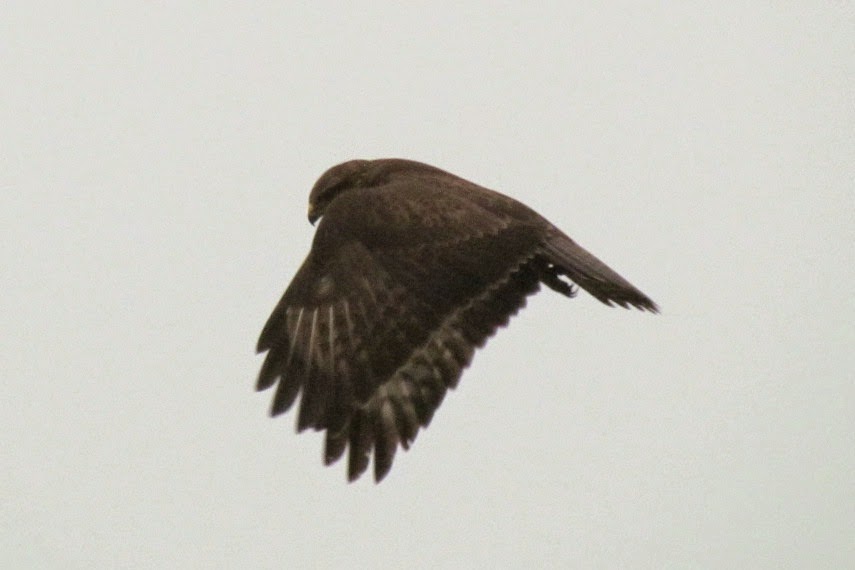
Buzzard (musvåge), Langeland, February 15, 2015
The most common bird of prey in Denmark, the buzzard, is often patrolling the fields next to our house to see if there should be a little mouse for lunch.
Der er jævnlig en musvåge, der flyver over markerne ud for vores hus for at se om der lige skulle være en lille mus til frokost.
Feb 15, 2015
White-tailed Eagle (Havørn), Langeland, February 14, 2015
White-tailed Eagle, Haliaeetus albicilla is a very large bird. It measures 66–94 cm (26–37 in) in length with a 1.78–2.45 m (5.8–8.0 ft) wingspan. The wingspan, with a midpoint of 2.18 m (7.2 ft), is on average the largest of any eagle. Some individuals have been found to live over 25 years, 21 years being the average for grown up eagles. White-tailed Eagle reaches sexual maturity at the age of 5-7 years, when birds pair up and find territories they last their whole lives. According to the web there are approximately 5 pairs of these eagles on Langeland.
White-tailed Eagle is Northern Europe's largest bird of prey, with its giant wingspan the bird is impressive to watch. Among ornithologists it is known as "the flying door".
The main diet of the White-tailed Eagle is fish, but they also eat Coot, Mallard, Hare, Gull, Cormorant and pheasant. Sometimes eagles specializes in catching a particular prey, for example cormorant or coot.
Havørnen (Haliaeetus albicilla) er Nordeuropas største rovfugl, og med sit gigantiske vingefang er fuglen imponerende at skue. Blandt ornitologer er den kendt som "den flyvende dør" pga. de stive, brede, rektangulære vinger og den korte, kileformede hale, som er hvid hos udvoksede fugle.
Menuen kan udover fisk bestå af Blishøne, Gråand, Hare, Måge, Skarv og Fasan. Nogle steder specialiserer ørnene sig i at fange et bestemt byttedyr, f.eks. skarv eller blishøne.
Havørne bliver først kønsmodne i en alder af 5-7 år, hvor fuglene danner par og finder territorier, som de holder hele deres liv. Den gennemsnitlige levetid for voksne fugle er ca. 21 år men nogle lever mere end 25 år. Ifølge nettet er der ca. 5 par på Langeland.
In July 2012, the female and chick from the nest on the image was found dead - poisoned. The full-feathered chick, were found in the nest, and the adult female about 50 feet from the tree. The birds were poisoned with carbofuran. Carbofuran is an extremely dangerous neurotoxin that paralyzes the breathing immediately, and it has been banned across the EU since 2008. One person was suspected of poisoning the eagles by placing poisoned meat near the nest. But the police did not believe that there was sufficient evidence to prosecute the suspect. Prosecutor Brian Dybdahl from Funen Police writes January 9, 2013 in a letter to the reviewers that investigations are stopped: "I was particularly concerned that no witnesses have seen the person at the scene of the crime, just as there is found carbofuran at the suspect. The fact that the suspect has distributed pheasants in the area, and therefore might have an interest in killing the birds of prey, is in my view, not sufficient evidence that I can charge him."
Carbofuran is known to be popular with some of the people distributing pheasants at their land to increase their income from hunting parties. They put out poisoned meat to kill the birds of prey which they believe eating pheasants. Since June 2010, the Danish Ornithological Society learned of poisoning of 9 large birds of prey at 7 different locations in Denmark: red kite at Trelleborg in West Zealand in April 2010, two sea eagles at Odense Fjord June 2010 eagle at Bovballe on Langeland March 2011 golden eagle on Tjele Gods by Viborg March 2012 2 sea eagles at Tranekær on Langeland summer 2012, red kite at Køge in October 2012 and the red kite on Frijsenborg Estate in East Jutland november 2012.
I juli 2012 blev to af de i alt tre havørne fra reden på billedet fundet døde - forgiftede. Den ene, parrets fuldfjerede unge, blev fundet i reden, og den voksne hun omkring 50 meter fra redetræet. Fuglene var forgiftet carbofuran. Carbofuran er en ekstremt farlig nervegift, som lammer åndedrættet øjeblikkeligt, og det har været forbudt i hele EU siden 2008. En person blev mistænkt for giftdrabet på havørnene. Men politiet mente ikke at der var tilstrækkeligt bevis. Anklager Brian Dybdahl fra Fyns Politi skriver 9. januar 2013 i et brev til anmelderne, at efterforskningen er standset: ”Jeg har især lagt vægt på, at ingen vidner har set, hvem der har foretaget forgiftningen, ligesom der ikke er fundet carbofuran hos mistænkte. Den omstændighed, at mistænkte har udsat fasaner i området, og derfor kunne have en interesse i, at der ikke var rovfugle, er efter min vurdering ikke tilstrækkeligt bevis til, at jeg kan sigte ham”.
Carbofuran er populært hos nogle af de jagtudlejere som sætter fasaner ud. De udlægger forgiftet kød til at dræbe de rovfugle som de mener spiser fasanerne. Siden juni 2010 har Dansk Ornitologisk Forening fået kendskab til forgiftninger af 9 store rovfugle 7 forskellige steder i Danmark: rød glente ved Trelleborg på Vestsjælland april 2010, 2 havørne ved Odense Fjord juni 2010, havørn ved Bovballe på Langeland marts 2011, kongeørn på Tjele Gods ved Viborg marts 2012, 2 havørne ved Tranekær på Langeland sommer 2012, rød glente ved Køge oktober 2012 og rød glente på Frijsenborg Gods i Østjylland november 2012.
Luckily found the male found a new mate (from southern Germany according its marker) as can be seen on the picture. This winter blew most of the nest blew down, but the eagles have been busy repairing the nest preparing for this year’s chicks.
Heldigvis fandt hannen sig en ny mage (fra Sydtyskland ifølge ringmærket), som det kan ses på billedet. Denne vinter blæste det meste af reden ned, men, som der fremgår af billedet, har ørnene været i gang med at reparere den.
Langeland landscape
Feb 11, 2015
Brussels, February 04, 2015
I attended a 3 days course in LIFE (LIFE is the EU’s financial instrument supporting environmental and nature conservation projects throughout the EU) monitoring. We had ½ a day without training activities, and used the opportunity for some sightseeing
The view from my room at Hotel Bloom of the Brussels skyline
The hotel was next to the Botanical Garden ”Krudtuin”
View from the Botanical Garden ”Krudtuin” towards hotel Bloom
There was building activity going on many places.
Shopping arcades are the predecessor to modern shopping malls called ‘galeries’ in French and ‘galerijen’ in Dutch. Arcades get their name from the word ‘arch’ but these days the roofs and ceilings could be any shape and could cover an entire block. They are generally a street of separate shops covered by a single roof top. Galeries St Hubert was built in 1847. Galeries St Hubert is one of the first shopping arcades in Europe; it is the length of a small street located near the Grand Place. The building is beautifully decorated with bas-relief and chandeliers. The roof is a glass skylight. There are cafés, luxury clothing shops, an arts film theatre and gourmet chocolate shops.
Here you can buy crocodiles
and tempting chocolate
Town Hall, Grand Place: Grand Place Brussels square is the first place you will normally be taken to see in the city. A small but delicately sculpted 15th century town square erected over centuries to become this modern day representation of Brussels’ history. Almost all of the buildings have a historical significance and the Hotel de Ville (the Town Hall) is still used today! Located in Brussels city centre, just down from Brussels Centrale, this ancient market place is the starting point for tourists. http://whc.unesco.org/en/list/857
Each of the houses around the Grand'Place, has its own name: Les Ducs de Brabant, Le Roi de l'Espagne, Le Cornet, Le Cygne, the Maison des Brasseurs, Le Cerf, La Maison des Tailleurs. The degree of conservation of original features inside the houses around the Grand'Place is somewhat variable. In some cases almost no changes have been made since the early 18th century, whereas in others there has been radical conversion and modernization. In a number of cases the ground floors have been converted for use as shops, restaurants, or cafes.
A statute on top of one of the houses
The famous Mannekin Pis is just a few narrow alleyways from the Grand Place. The Peeing Boy, or Mannekin Pis, as it is normally called by locals, is a fascinating little statue. Not only does it attract thousands of curious tourists every year to Brussels, local Brussels people celebrate many festivities with this bronze fountain.
Even on this cold February day many fans (or should we call them followers, at least ½ of them?) were gathered
Many activities are going on in Brussels flats
Evening view from my room.
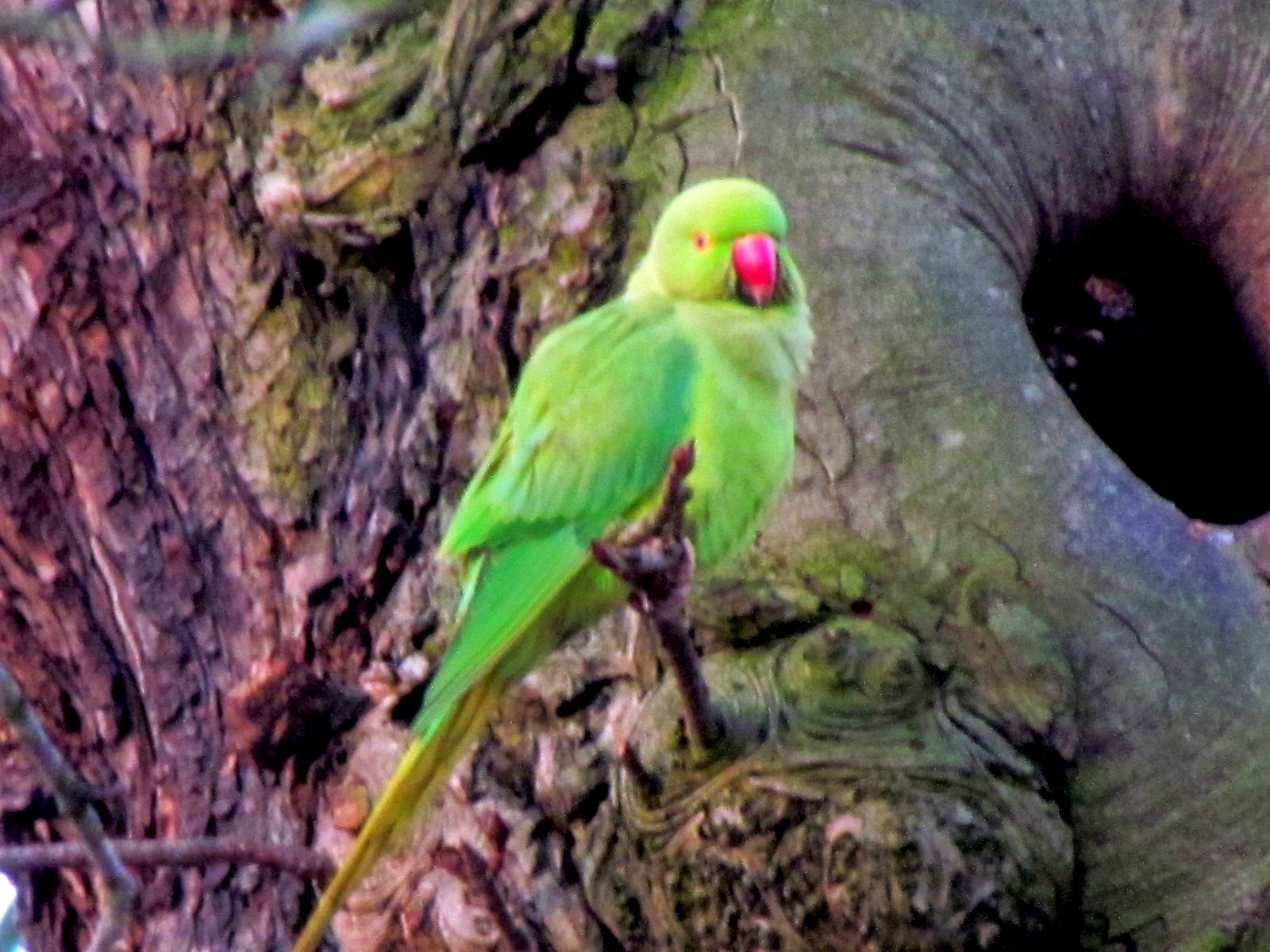
Wild parakeets invade Brussels. More and more green parakeets are being seen in the parks of Brussels. Their number is currently estimated at about 12,000.
The fact that parakeets are able to survive and reproduce so easily in the wild is surprising, especially given the Belgian climate. The problem is that parakeets are a source of danger for some endemic birds as they occupy the tree holes where these birds used to nest. These birds also have an economic impact as they are able to devastate entire orchards.
The Rose-ringed Parakeet (Psittacula krameri, Индийский кольчатый попугай). The Rose-ringed Parakeet has proved to be an adaptable species and its adaptations to cold winters in the Himalayan foothills allow it to easily withstand European winter conditions. These parakeets create apparently problems for local bird populations and bats.
Subscribe to:
Posts (Atom)