Apr 15, 2010

Istanbul 3 – 6 April 2010


View from our hotel, Hagia Sofia – dawn.


The Blue Mosque


The Blue Mosque, one of the domes


The Blue Mosque, to the left the mihrab marks the direction to Mekka and to the right the minbar used by the iman when he delivers the Friday sermon


Hagia Sofia


Seraphim mosaics (God's protector angels with 6 wings)


Jesus


Maria with Jesus and empress Irene
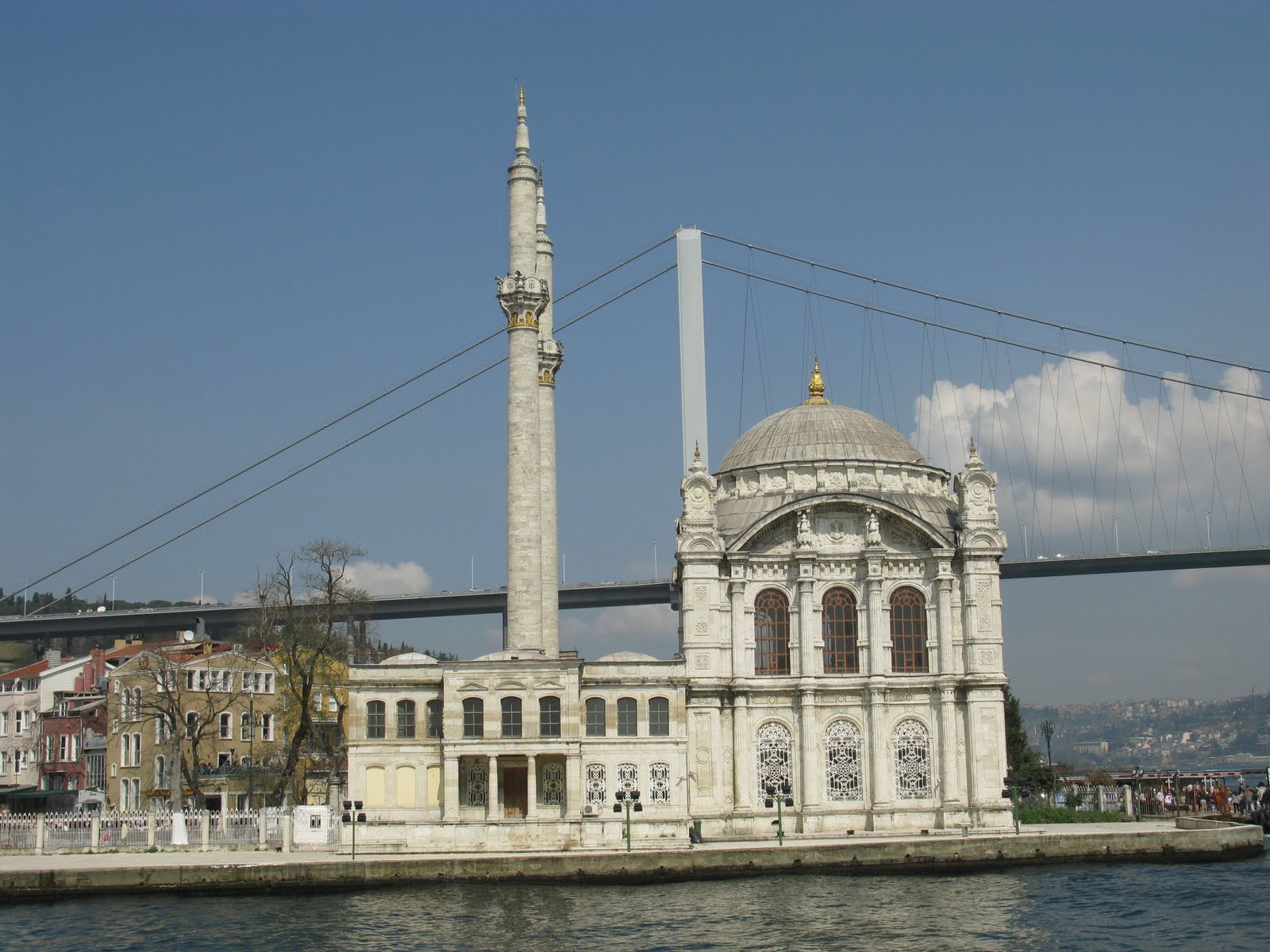

A cruise up and down the Bosporus trip is one of the great pleasures of a visit to Istanbul. The picture shown the Mecidiye mosque in baroque style and the Bosporus bridge.


Topkapı Palace was the official and primary residence in the city of the Ottoman Sultans for 400 years of their 624-year reign, from 1465 to 1856. Initial construction began in 1459, ordered by Sultan Mehmed II, the conqueror of Byzantine Constantinople. The palace is a complex made up of four main courtyards and many smaller buildings. At the height of its existence as a royal residence, the palace was home to as many as 4,000 people. Topkapı Palace gradually lost its importance at the end of the 17th century, as the Sultans preferred to spend more time in their new palaces along the Bosporus.


When you enters the private part of the Topkapi palace (the harem) you first enters the courtyard of the black eunuchs


The Imperial Hall was the largest room in the harem and used for entertainments. The picture shows the throne, from which the sultan could view the proceedings.
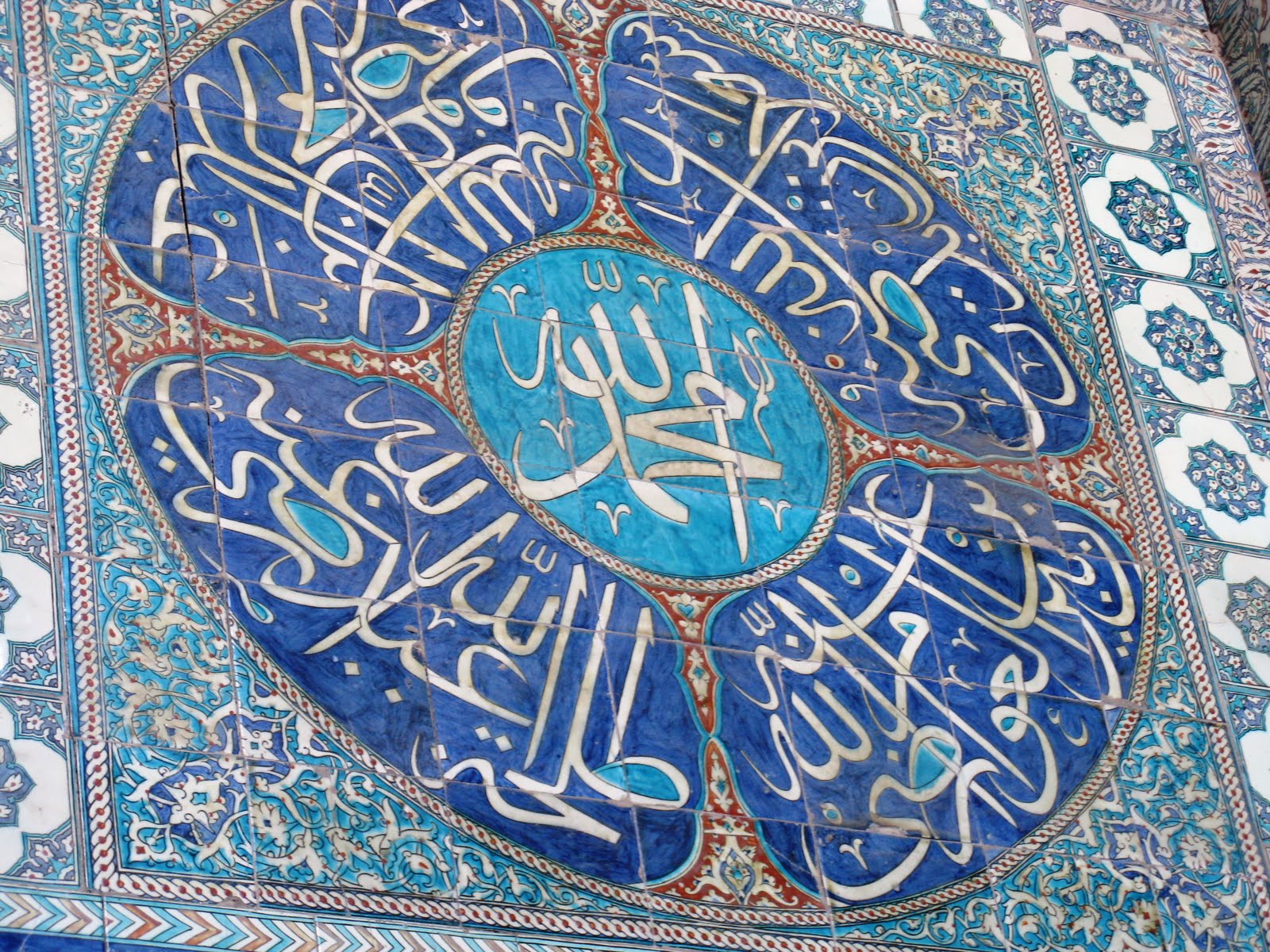

Topkapi Palace is among other things famous for its Iznik tiles.


34: Fishing is a popular pastime. Here from over bridge over the Golden Horn, the natural harbour – the main reason for placing a city here.


Spices marked

Lisbeth went back to Denmark together, and as we flew via Istanbul, we decided to spend a couple of days in the town, where we had never been before.

We had reserved a nice hotel in the tourist area (Sultanahmet) with a short walk to the old bazaar and three of the main tourist attractions: Hagia Sofia (for several centuries the biggest Christian church, after the conquest of the ottomans mosque and now museum), the Blue Mosque and the Topkapi palace.

Apr 1, 2010

Kakheti, 24 - 26 March 2010


When my wife came to visit me we decided to visit the Alazani Valley in Kakheti east of Tbilisi. Kakheti divided in two by the Gombori Mountains shaping Iori Valley on the west and the Alazani Valley on the east.

Alazani valley is famous (at least in Georgia) for its wine. According the official tourist homepage wine is everything to a Kakhetian - it is the purpose of his life, it is his pride, his hope and his main source of income.

The Alazani Valley is beautifully situated between the Gombori and Caucasus Mountains.

We did not put so much emphasis on the wine as on the exploring the valley and its many churches and monasteries, including the impressive Alaverdi monastery.

The first two days it was cold with limited visibility but the last day the sun was shining and the sky was clear.

Mar 23, 2010

“Pig-stop”, Sunday, 21 March 2010


On our way back from Gudauri we made a “pig-stop”, where Vlado bought some meat at a roadside stand.

A nice elderly woman with a good sense of humour sold us the meat. The axe that she used for chopping up the meat gave me some association to the axe used for executions by beheading.

A day in Gudauri with fantastic weather, Sunday, 21 March 2010


Vlado and I went to Gudauri for the fourth time, this time again with fantastic weather and very good skiing conditions. The visibility was impressing and we could see over the depression where Tbilisi is situated to the lesser Caucasus mountain rage several hundred kilometres away.

The Shin: Black Sea Fire, Saturday, 20 March 2010


Vlado, Peter and I went to a concert with the group Georgian Group Shin. In Georgian Shin means "the road home".

Although mainly Georgian the Shin included members from several other countries around the Black Sea, Bulgaria, Ukraine and Moldova.

From the Internet: A joyful and dynamic conversation between jazz-rock, flamenco and funk, their music also processes the influence of the guitarist John McLaughlin in a very original way. The Shin’s stage performance with its spirited dance interludes is very impressive.

Over the centuries, a number of nations grew up around the Black Sea, different cultures developed, and the warm fire which once gave us life gradually turned into the fire of war and destruction.

“Black Sea Fire” celebrates the renaissance of this peaceful fire – which can turn to a bonfire on the beach, to a blazing flame, to a glistening sparkle or to glorious fireworks over the sea - with the dance of a nearly extinct culture.

Mar 5, 2010

Haircut, 4 March 2010


When it was time for my next haircut I asked Vlado to make some pictures of this great event.

My Azeri haircutter has his small business in the corner of a tailor's repair shop.

The tailors – all over the pension age – seems to enjoy their work and having a nice time together, and the shop seems to be a meeting place for the neighbourhood (at least the old part of it).

The equipment used by the hairdresser seems to be from a far communist past (as the machines used by the old tailors). Vlado told me that his grandma had the same type of transformer as shown on the photo.

The nice streamer with the portrait of Lenin is a reward for being the best collective in Tbilisi. Dust was removed before we were allowed to take a photo.

I the shop Georgians, Armenians and Azeri are working. In a period with ethnic cleansing such a small pocket of mutual understanding and cooperation makes you fells that there is a future for mankind after all.