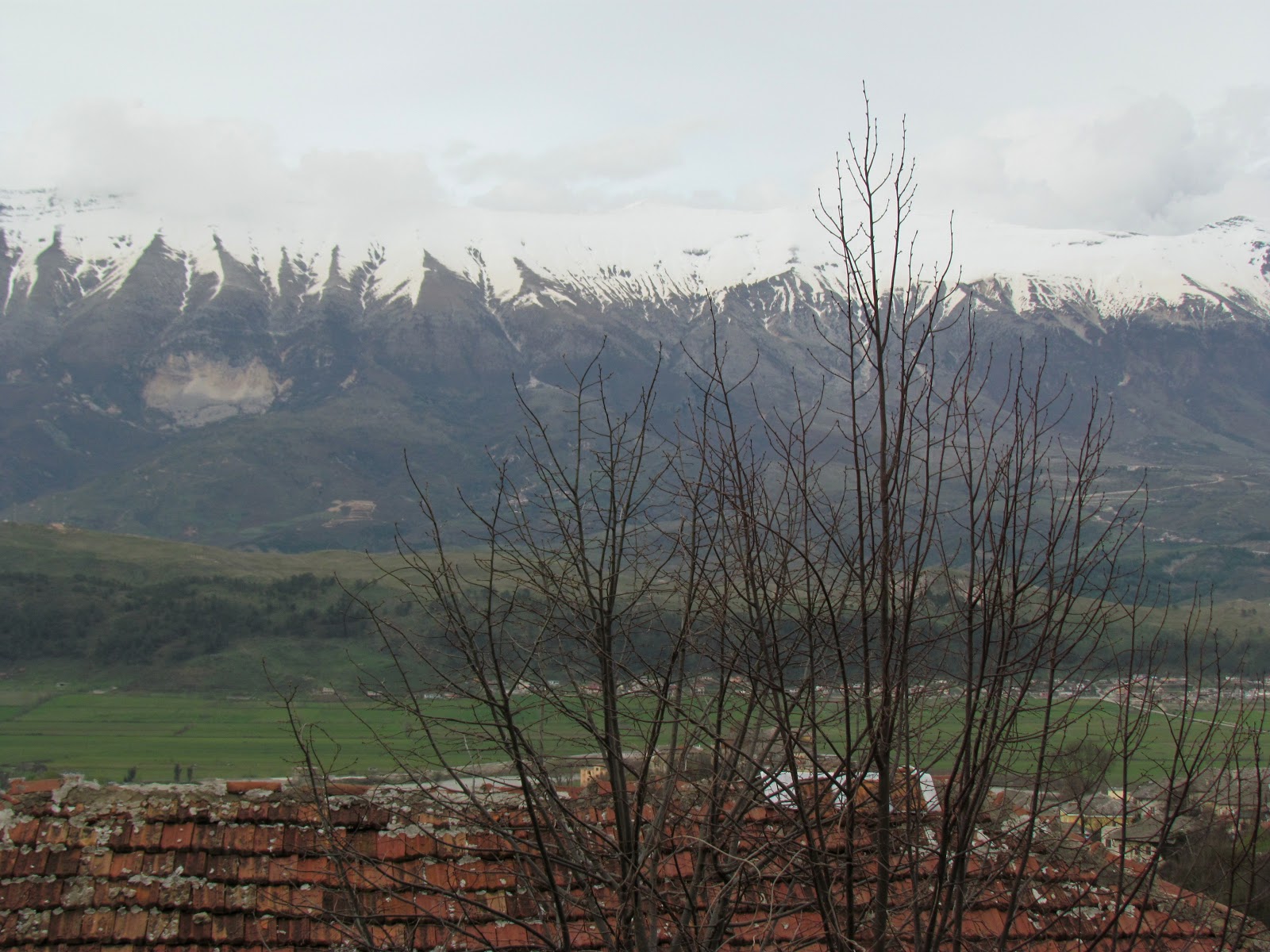
Wherever we went we experienced the legend of Ali Pasha of Tepelena. Ali Pasha of Tepelena, surnamed Aslan, "the Lion", or the "Lion of Yannina", (1740 - 24 January 1822) was an Ottoman Albanian ruler (pasha) of the western part of Rumelia, the Ottoman Empire's European territory which was also called Pashalik of Yanina which included the southern part of Albania.
Ali was born in 1740 into a powerful clan in the village Beçisht, at the foot of the Këlcyrë mountains near the Albanian town of Tepelenë. He was one of the Tosk tribes and his ancestors had for some time held the hereditary office of bey of Tepeleni. His father Veli was bey (and possibly a retired Janissary).
Ali's father, Veli Bey, was murdered when Ali was fourteen years old by neighbouring rival chiefs who seized the territories of his Tosk tribe. The family lost much of its political and material status following the murder of his father. In 1758, his mother, Hanko, a woman of extraordinary character, thereupon herself formed and led a brigand band, and studied to inspire the boy with her own fierce and indomitable temper, with a view to revenge and the recovery of their lost wealth. According to Byron: "Ali inherited 6 dram and a musket after the death of his father ... Ali collected a few followers from among the retainers of his father, made himself master, first of one village, then of another, amassed money, increased his power, and at last found himself at the head of a considerable body of Albanians".
Ali became a famous brigand leader and attracted the attention of the Turkish authorities. He was assigned to suppress brigandage and fought for the "Sultan and Empire" with great bravery.
His rise through Ottoman ranks continued with his appointment as lieutenant to the pasha of Rumelia. In 1788 he seized control of Ioannina, and enlisted most of the Brigands under his own banner. Ioannina would be his power base for the next 33 years. He took advantage of a weak Ottoman government to expand his territory still further until he gained control of most of Albania, western Greece and the Peloponnese.
Lord Byron visited Ali's court in Ioánnina in 1809 and recorded the encounter in his work Childe Harold. He evidently had mixed feelings about the despot, noting the splendour of Ali Pasha's court and the Greek cultural revival that he had encouraged in Ioánnina, which Byron described as being "superior in wealth, refinement and learning" to any other Greek town. In a letter to his mother, however, Byron deplored Ali's cruelty: "His Highness is a remorseless tyrant, guilty of the most horrible cruelties, very brave, so good a general that they call him the Mahometan Buonaparte ... but as barbarous as he is successful, roasting rebels, etc, etc.."
In 1819 Ali Pasha was accused of grabbing power and influence in Ottoman Rumelia. Sultan Mahmud II, who sought to restore the authority of the Sublime Porte, took this as a major opportunity to move against Ali Pasha by ordering his immediate deposition.
After about two years of fighting, in January 1822, Ottoman forces had taken most of the fortifications of Ioannina except the fortified palace inside the kastro. Ali Pasha opened negotiations. Deceived with offers of a full pardon, he was persuaded to leave the fortress and settle in the Monastery of St Panteleimon on the island in Lake Pamvotis, previously taken by the Ottoman army during the siege. When asked to surrender for beheading, he famously proclaimed, "My head ... will not be surrendered like the head of a slave," and kept fighting till the end, but was shot through the floor of his room and his head cut off to be sent to the Sultan. Ali Pasha of Tepelena died on February 5, 1822 at the age of 80.
Ali Pasha was buried with full honors in a mausoleum next to the Fethiye Mosque, which still stands. Despite his brutal rule, villagers paid their last respect to Ali: "Never was seen greater mourning”.


A stretch of new road where the goats is having a feast on the grass on the newly made barrier to reduce the risk of falling rocks. Albania is a very difficult country to build and maintain roads. Its mountains are geologically very active with many landslides and falling rocks. Many roads are built in communist times and not suited for the big trucks that are crossing the country. They are deteriorating fast, not maintained, and many of the stretches they consists mainly of holes. At the same time new impressive roads are built. On our way to Vlore, the third largest town in Albania, we drove on one of these roads consisting of holes with a maximum speed of 30 kilometres. Then suddenly it changed into a four lane highway, with a capacity of 100 times the present traffic. Ardit, our driver and guide, told that a MP belonging to the parliament majority had joked about this situation saying that the new highway was the new Albania, that the present Government was building with a standard like Germany, while the old road was the Albania that the opposition was aiming at.


Berat is a town located in south-central Albania and the capital of both the District of Berat and the larger County of Berat. In 2009, the town has an estimated population of around 71,000 people. In July 2008, the old town (Mangalem district) was inscribed on the UNESCO World Heritage List.

We visited a local art museum for religious art Byzantine Churches found inside the Castle at Holy Thursday. Here an icon depicting The Last Supper, the last meal Jesus of Nazareth shared with his disciples.


One of the dozen Byzantine Churches found inside the Berat Castle: Holy Trinity church


A minaret from Ottoman times.

Apple art!
 Wherever we went we experienced the legend of Ali Pasha of Tepelena. Ali Pasha of Tepelena, surnamed Aslan, "the Lion", or the "Lion of Yannina", (1740 - 24 January 1822) was an Ottoman Albanian ruler (pasha) of the western part of Rumelia, the Ottoman Empire's European territory which was also called Pashalik of Yanina which included the southern part of Albania.
Ali was born in 1740 into a powerful clan in the village Beçisht, at the foot of the Këlcyrë mountains near the Albanian town of Tepelenë. He was one of the Tosk tribes and his ancestors had for some time held the hereditary office of bey of Tepeleni. His father Veli was bey (and possibly a retired Janissary).
Ali's father, Veli Bey, was murdered when Ali was fourteen years old by neighbouring rival chiefs who seized the territories of his Tosk tribe. The family lost much of its political and material status following the murder of his father. In 1758, his mother, Hanko, a woman of extraordinary character, thereupon herself formed and led a brigand band, and studied to inspire the boy with her own fierce and indomitable temper, with a view to revenge and the recovery of their lost wealth. According to Byron: "Ali inherited 6 dram and a musket after the death of his father ... Ali collected a few followers from among the retainers of his father, made himself master, first of one village, then of another, amassed money, increased his power, and at last found himself at the head of a considerable body of Albanians".
Ali became a famous brigand leader and attracted the attention of the Turkish authorities. He was assigned to suppress brigandage and fought for the "Sultan and Empire" with great bravery.
His rise through Ottoman ranks continued with his appointment as lieutenant to the pasha of Rumelia. In 1788 he seized control of Ioannina, and enlisted most of the Brigands under his own banner. Ioannina would be his power base for the next 33 years. He took advantage of a weak Ottoman government to expand his territory still further until he gained control of most of Albania, western Greece and the Peloponnese.
Lord Byron visited Ali's court in Ioánnina in 1809 and recorded the encounter in his work Childe Harold. He evidently had mixed feelings about the despot, noting the splendour of Ali Pasha's court and the Greek cultural revival that he had encouraged in Ioánnina, which Byron described as being "superior in wealth, refinement and learning" to any other Greek town. In a letter to his mother, however, Byron deplored Ali's cruelty: "His Highness is a remorseless tyrant, guilty of the most horrible cruelties, very brave, so good a general that they call him the Mahometan Buonaparte ... but as barbarous as he is successful, roasting rebels, etc, etc.."
In 1819 Ali Pasha was accused of grabbing power and influence in Ottoman Rumelia. Sultan Mahmud II, who sought to restore the authority of the Sublime Porte, took this as a major opportunity to move against Ali Pasha by ordering his immediate deposition.
After about two years of fighting, in January 1822, Ottoman forces had taken most of the fortifications of Ioannina except the fortified palace inside the kastro. Ali Pasha opened negotiations. Deceived with offers of a full pardon, he was persuaded to leave the fortress and settle in the Monastery of St Panteleimon on the island in Lake Pamvotis, previously taken by the Ottoman army during the siege. When asked to surrender for beheading, he famously proclaimed, "My head ... will not be surrendered like the head of a slave," and kept fighting till the end, but was shot through the floor of his room and his head cut off to be sent to the Sultan. Ali Pasha of Tepelena died on February 5, 1822 at the age of 80.
Ali Pasha was buried with full honors in a mausoleum next to the Fethiye Mosque, which still stands. Despite his brutal rule, villagers paid their last respect to Ali: "Never was seen greater mourning”.
Wherever we went we experienced the legend of Ali Pasha of Tepelena. Ali Pasha of Tepelena, surnamed Aslan, "the Lion", or the "Lion of Yannina", (1740 - 24 January 1822) was an Ottoman Albanian ruler (pasha) of the western part of Rumelia, the Ottoman Empire's European territory which was also called Pashalik of Yanina which included the southern part of Albania.
Ali was born in 1740 into a powerful clan in the village Beçisht, at the foot of the Këlcyrë mountains near the Albanian town of Tepelenë. He was one of the Tosk tribes and his ancestors had for some time held the hereditary office of bey of Tepeleni. His father Veli was bey (and possibly a retired Janissary).
Ali's father, Veli Bey, was murdered when Ali was fourteen years old by neighbouring rival chiefs who seized the territories of his Tosk tribe. The family lost much of its political and material status following the murder of his father. In 1758, his mother, Hanko, a woman of extraordinary character, thereupon herself formed and led a brigand band, and studied to inspire the boy with her own fierce and indomitable temper, with a view to revenge and the recovery of their lost wealth. According to Byron: "Ali inherited 6 dram and a musket after the death of his father ... Ali collected a few followers from among the retainers of his father, made himself master, first of one village, then of another, amassed money, increased his power, and at last found himself at the head of a considerable body of Albanians".
Ali became a famous brigand leader and attracted the attention of the Turkish authorities. He was assigned to suppress brigandage and fought for the "Sultan and Empire" with great bravery.
His rise through Ottoman ranks continued with his appointment as lieutenant to the pasha of Rumelia. In 1788 he seized control of Ioannina, and enlisted most of the Brigands under his own banner. Ioannina would be his power base for the next 33 years. He took advantage of a weak Ottoman government to expand his territory still further until he gained control of most of Albania, western Greece and the Peloponnese.
Lord Byron visited Ali's court in Ioánnina in 1809 and recorded the encounter in his work Childe Harold. He evidently had mixed feelings about the despot, noting the splendour of Ali Pasha's court and the Greek cultural revival that he had encouraged in Ioánnina, which Byron described as being "superior in wealth, refinement and learning" to any other Greek town. In a letter to his mother, however, Byron deplored Ali's cruelty: "His Highness is a remorseless tyrant, guilty of the most horrible cruelties, very brave, so good a general that they call him the Mahometan Buonaparte ... but as barbarous as he is successful, roasting rebels, etc, etc.."
In 1819 Ali Pasha was accused of grabbing power and influence in Ottoman Rumelia. Sultan Mahmud II, who sought to restore the authority of the Sublime Porte, took this as a major opportunity to move against Ali Pasha by ordering his immediate deposition.
After about two years of fighting, in January 1822, Ottoman forces had taken most of the fortifications of Ioannina except the fortified palace inside the kastro. Ali Pasha opened negotiations. Deceived with offers of a full pardon, he was persuaded to leave the fortress and settle in the Monastery of St Panteleimon on the island in Lake Pamvotis, previously taken by the Ottoman army during the siege. When asked to surrender for beheading, he famously proclaimed, "My head ... will not be surrendered like the head of a slave," and kept fighting till the end, but was shot through the floor of his room and his head cut off to be sent to the Sultan. Ali Pasha of Tepelena died on February 5, 1822 at the age of 80.
Ali Pasha was buried with full honors in a mausoleum next to the Fethiye Mosque, which still stands. Despite his brutal rule, villagers paid their last respect to Ali: "Never was seen greater mourning”.


 A stretch of new road where the goats is having a feast on the grass on the newly made barrier to reduce the risk of falling rocks. Albania is a very difficult country to build and maintain roads. Its mountains are geologically very active with many landslides and falling rocks. Many roads are built in communist times and not suited for the big trucks that are crossing the country. They are deteriorating fast, not maintained, and many of the stretches they consists mainly of holes. At the same time new impressive roads are built. On our way to Vlore, the third largest town in Albania, we drove on one of these roads consisting of holes with a maximum speed of 30 kilometres. Then suddenly it changed into a four lane highway, with a capacity of 100 times the present traffic. Ardit, our driver and guide, told that a MP belonging to the parliament majority had joked about this situation saying that the new highway was the new Albania, that the present Government was building with a standard like Germany, while the old road was the Albania that the opposition was aiming at.

 Berat is a town located in south-central Albania and the capital of both the District of Berat and the larger County of Berat. In 2009, the town has an estimated population of around 71,000 people. In July 2008, the old town (Mangalem district) was inscribed on the UNESCO World Heritage List.
 We visited a local art museum for religious art Byzantine Churches found inside the Castle at Holy Thursday. Here an icon depicting The Last Supper, the last meal Jesus of Nazareth shared with his disciples.

 One of the dozen Byzantine Churches found inside the Berat Castle: Holy Trinity church

 A minaret from Ottoman times.
 Apple art!